Arabic to Bangla Translation: Bridging Cultures
In an increasingly interconnected world, the ability to communicate across languages is more important than ever. Among the many language pairs, Arabic and Bangla stand out due to their rich cultural heritages and the significant number of speakers worldwide. Translating between these two languages not only facilitates communication but also fosters cultural exchange and understanding.
The Importance of Arabic and Bangla
Arabic is one of the most widely spoken languages globally, with over 300 million native speakers across the Middle East and North Africa. It is also a liturgical language for over a billion Muslims worldwide. On the other hand, Bangla (or Bengali) is spoken by approximately 230 million people, primarily in Bangladesh and the Indian state of West Bengal.
Both languages have deep historical roots and are integral to their respective regions’ cultural identities. As such, translating between Arabic and Bangla can open doors to understanding diverse literary works, religious texts, and modern media.
Challenges in Translation
Translating from Arabic to Bangla involves several challenges due to linguistic differences. Arabic script is written from right to left and has a unique set of phonetic sounds that do not always have direct equivalents in Bangla. Additionally, both languages have rich vocabularies with words that carry specific cultural connotations.
Cultural nuances also play a significant role in translation. A word or phrase in Arabic might hold different meanings or significance when translated directly into Bangla. Therefore, translators must possess not only linguistic proficiency but also cultural awareness to ensure accurate translations.
The Role of Technology
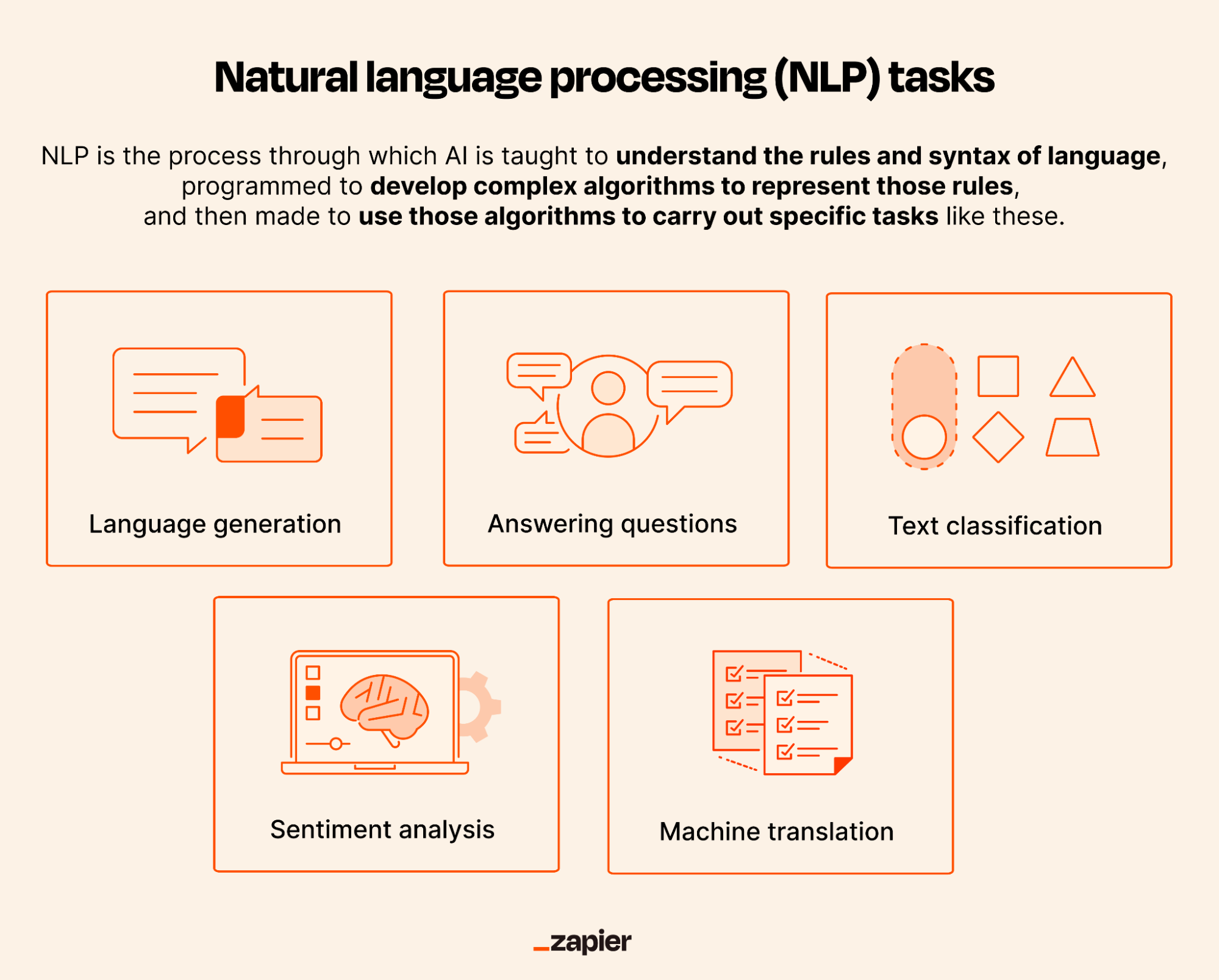
Advancements in technology have significantly improved the process of translating between Arabic and Bangla. Machine translation tools powered by artificial intelligence can now handle large volumes of text quickly. However, while these tools offer convenience, they often lack the ability to capture subtle cultural nuances or context accurately.
This is where human translators come into play. By combining technology with human expertise, translations can be both efficient and culturally sensitive.
The Impact on Business and Education
The ability to translate effectively between Arabic and Bangla has far-reaching implications for business and education. Companies looking to expand into markets where these languages are spoken benefit from clear communication with potential clients or partners.
In education, translated materials allow for greater access to knowledge resources across different cultures, promoting mutual understanding among students from diverse backgrounds.
Conclusion
Arabic-Bangla translation serves as a bridge connecting two vibrant cultures rich in history and tradition. As global interactions continue to grow, so does the importance of accurate translation services that respect linguistic intricacies while fostering cross-cultural dialogue.
8 Essential Tips for Accurate Arabic to Bangla Translation
- Understand the cultural nuances of both Arabic and Bangla to ensure accurate translations.
- Use professional Arabic to Bangla translators who are fluent in both languages.
- Pay attention to context, as some words or phrases may have different meanings based on the situation.
- Ensure consistency in terminology throughout the translation for clarity and coherence.
- Consider the target audience when choosing the tone and style of translation.
- Proofread all translations carefully to correct any errors or inaccuracies.
- Be aware of regional variations in both Arabic and Bangla that may affect translation choices.
- Seek feedback from native speakers to improve the quality of your translations.
Understand the cultural nuances of both Arabic and Bangla to ensure accurate translations.
To achieve precise and culturally sensitive translations when working with Arabic and Bangla, it is essential to grasp the intricate cultural nuances embedded within both languages. Understanding the unique cultural contexts, idiomatic expressions, and societal norms of Arabic and Bangla enables translators to convey the intended message accurately while preserving the essence of the original text. By delving into the rich cultural tapestries of both languages, translators can bridge linguistic gaps effectively and facilitate meaningful cross-cultural communication.
Use professional Arabic to Bangla translators who are fluent in both languages.
To ensure accurate and culturally sensitive Arabic to Bangla translations, it is essential to utilize the expertise of professional translators who are fluent in both languages. Professional translators possess a deep understanding of the nuances and complexities of both Arabic and Bangla, allowing them to convey the intended meaning accurately while maintaining cultural authenticity. By entrusting your translation needs to skilled professionals proficient in both languages, you can be confident in receiving high-quality translations that effectively bridge the linguistic and cultural gaps between Arabic and Bangla.
Pay attention to context, as some words or phrases may have different meanings based on the situation.
When translating from Arabic to Bangla, it is crucial to pay close attention to context, as certain words or phrases may carry different meanings depending on the situation in which they are used. Cultural nuances and contextual factors play a significant role in accurate translation, ensuring that the intended message is conveyed appropriately. By considering the context in which words or phrases are used, translators can capture the full meaning and essence of the original text, facilitating effective communication and preserving the integrity of the content across languages.
Ensure consistency in terminology throughout the translation for clarity and coherence.
To ensure clarity and coherence in Arabic to Bangla translation, it is essential to maintain consistency in terminology across the entire text. Consistent use of specific terms and phrases not only helps in conveying the intended meaning accurately but also enhances the overall readability and flow of the translation. By ensuring that key terms are translated consistently throughout the text, translators can provide a cohesive and professional final product that effectively communicates the original message to the target audience.
Consider the target audience when choosing the tone and style of translation.
When translating from Arabic to Bangla, it is essential to consider the target audience when determining the appropriate tone and style of the translation. Understanding the cultural nuances, preferences, and expectations of the audience can significantly impact the effectiveness and reception of the translated content. By tailoring the tone and style to resonate with the target audience, translators can ensure that the message is conveyed accurately and in a manner that resonates with the readers, ultimately enhancing communication and promoting cultural understanding.
Proofread all translations carefully to correct any errors or inaccuracies.
Proofreading all translations carefully is a crucial step in ensuring the accuracy and quality of Arabic to Bangla translations. By meticulously reviewing the translated text, errors or inaccuracies can be identified and corrected, guaranteeing that the intended message is conveyed accurately. This attention to detail not only enhances the overall quality of the translation but also helps maintain credibility and professionalism in cross-language communication.
Be aware of regional variations in both Arabic and Bangla that may affect translation choices.
When translating from Arabic to Bangla, it is crucial to be mindful of the regional variations present in both languages that can impact translation decisions. Arabic and Bangla encompass diverse dialects and linguistic nuances across different regions, influencing the choice of words, expressions, and cultural references used in translations. By acknowledging and understanding these regional differences, translators can ensure that their translations accurately convey the intended message while respecting the unique cultural contexts of both languages.
Seek feedback from native speakers to improve the quality of your translations.
Seeking feedback from native speakers is a valuable tip to enhance the quality of your Arabic to Bangla translations. Native speakers can provide insights into nuances, idiomatic expressions, and cultural references that might be challenging to capture accurately through automated translation tools. Their feedback can help refine the tone, style, and overall authenticity of the translated content, ensuring that it resonates effectively with the target audience and conveys the intended message clearly and appropriately. By incorporating feedback from native speakers, you can elevate the quality and cultural relevance of your translations, ultimately fostering better communication and understanding between Arabic and Bangla speakers.